.webp)
Madan gives Mamata 1 month deadline to leave Abhishek and join "real Trinamool"
.gif)

Download Mobile App 







In a move that's sending ripples through Pakistan's fragile economy, global powerhouse Procter & Gamble (P&G) has announced it will shutter its manufacturing and commercial operations in the country, marking the latest high-profile departure of a multinational giant. Following in the footsteps of Pfizer's 2023 exit and Shell's pullout earlier this year, P&G's decision underscores a troubling trend of foreign investors retreating from Pakistan amid economic volatility, regulatory hurdles, and shrinking market demand. The company, famed for household staples like Ariel detergent, Head & Shoulders shampoo, and Gillette razors, will transition to a third-party distributor model, ensuring its products remain available but without the direct footprint that's sustained thousands of jobs for decades. This shift isn't just a corporate pivot—it's a stark signal of Pakistan's deepening challenges in retaining global players, as inflation soars past 20% and currency woes deter long-term commitments.
The announcement, detailed in a statement from P&G's headquarters in Cincinnati, Ohio, comes as part of a broader global restructuring program launched earlier this year to streamline operations and cut costs amid stagnant growth in emerging markets. In Pakistan specifically, the company cited "strains on demand" and operational inefficiencies as key drivers, with its local razor unit—operated through Gillette Pakistan—facing particular pressure from import duties and local competition. P&G has been a fixture in Pakistan since 1992, building a robust supply chain that employed over 1,000 people directly and supported an extensive network of suppliers and retailers. Now, that ecosystem faces disruption, with manufacturing facilities in Karachi set to wind down leaving a void in local production that could hike prices for everyday essentials.
For Gillette Pakistan, the subsidiary listed on the Pakistan Stock Exchange, the news spells potential delisting, as P&G plans to divest its stake to focus solely on distribution. This isn't an outright abandonment—P&G emphasized that its brands will continue flowing into Pakistani homes via regional hubs in the Middle East and local partners—but it effectively cedes control of the market to intermediaries, a model that's worked in other South Asian countries but raises questions about quality assurance and innovation in a price-sensitive market. Analysts point to this as a pragmatic response to Pakistan's economic headwinds, including energy shortages that have plagued manufacturing and a tax regime that's increasingly burdensome for foreign entities.
The human cost is impossible to ignore. Factory workers in Karachi, many of whom have clocked years perfecting production lines for P&G's iconic products, now face an uncertain future as severance packages and redeployment plans take shape. Labour unions are already mobilizing, demanding government intervention to broker retention deals or incentives that could stem the tide of such exits.
On a broader canvas, P&G's exit highlights Pakistan's evolving business landscape, where once-thriving sectors like consumer goods are ceding ground to domestic upstarts and informal traders. While the government touts reforms like eased forex controls, critics argue they're too little, too late—especially when juxtaposed against regional peers like India, where P&G has doubled down on investments. For consumers, the immediate upside might be steady supply of trusted brands, but the long-term downside could mean higher costs and fewer choices as local manufacturing atrophies.
P&G's graceful exit, complete with commitments to ethical wind-downs, sets a precedent, but it also leaves a bitter taste. As the dust settles, all eyes turn to who might follow—and whether Pakistan can rewrite its narrative before it's too late.





.webp)
.webp)

 West Bengal
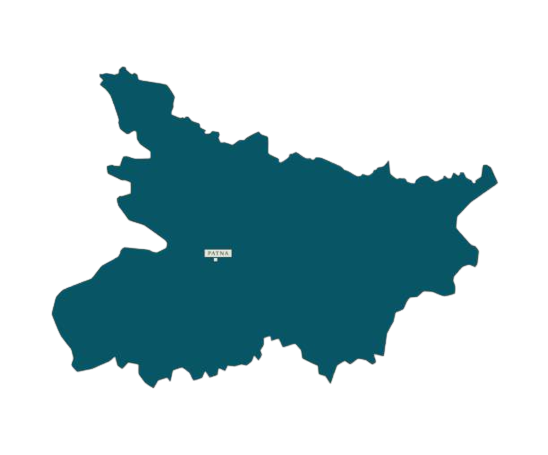 Bihar
Bihar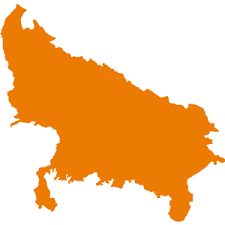 Uttar Pradesh
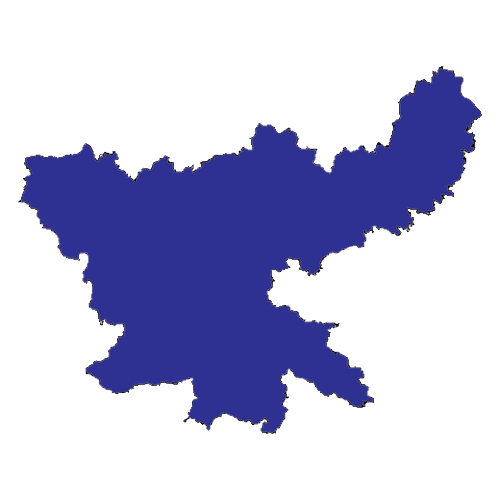 Jharkhand